Building Community: Göbeklitepe
Long before Stonehenge was raised or the first pyramids were built, communities in what is now south-eastern Türkiye were constructing monumental buildings and covering them with extraordinary sculpture. Göbeklitepe and its surrounding sites have been reshaping what we thought we knew about early human society for decades. Now, thanks to a collaboration between the Staatliche Museen zu Berlin and Türkiye, spectacular finds from these sites are coming to Museum Island for the first time.
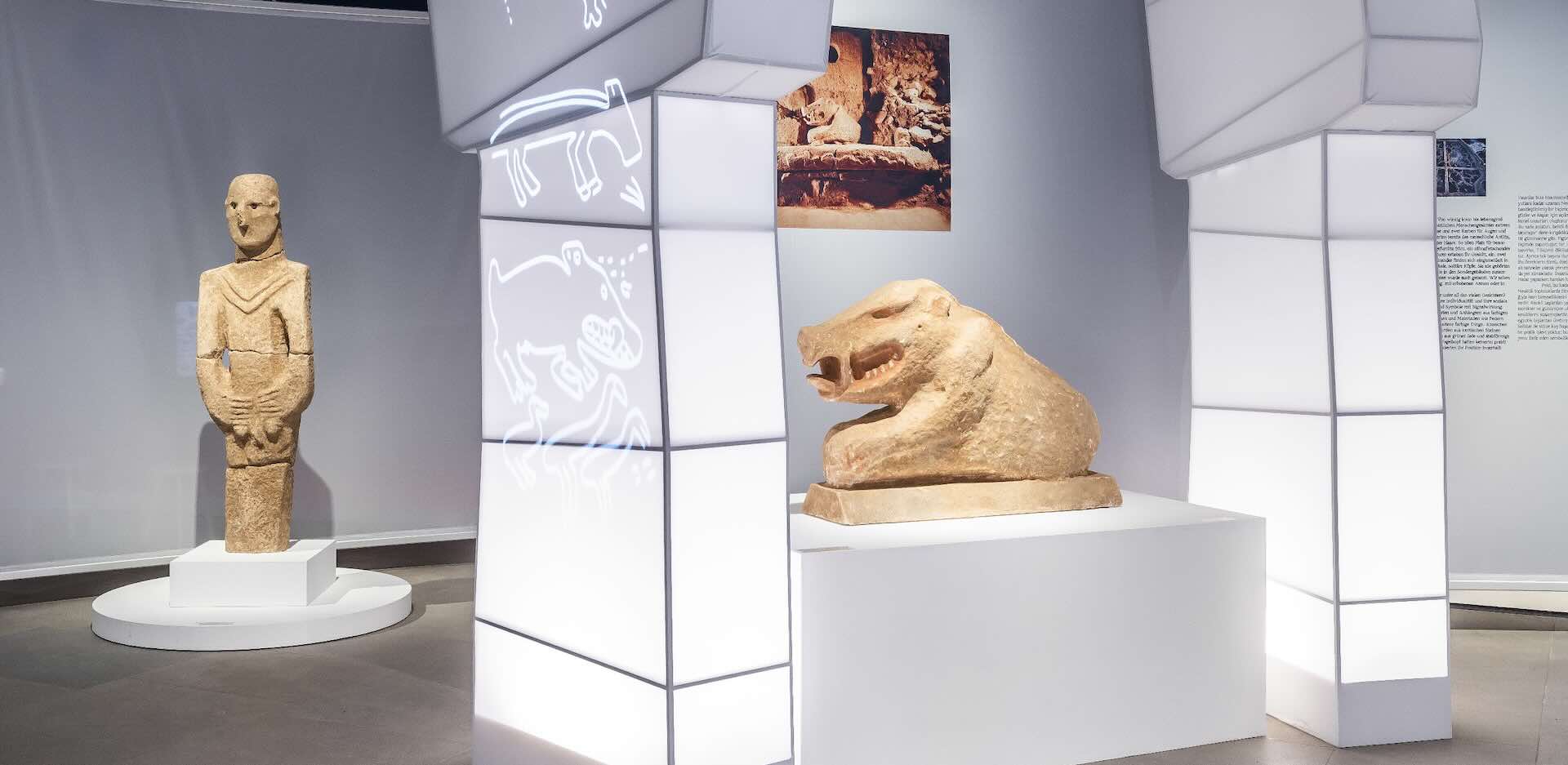
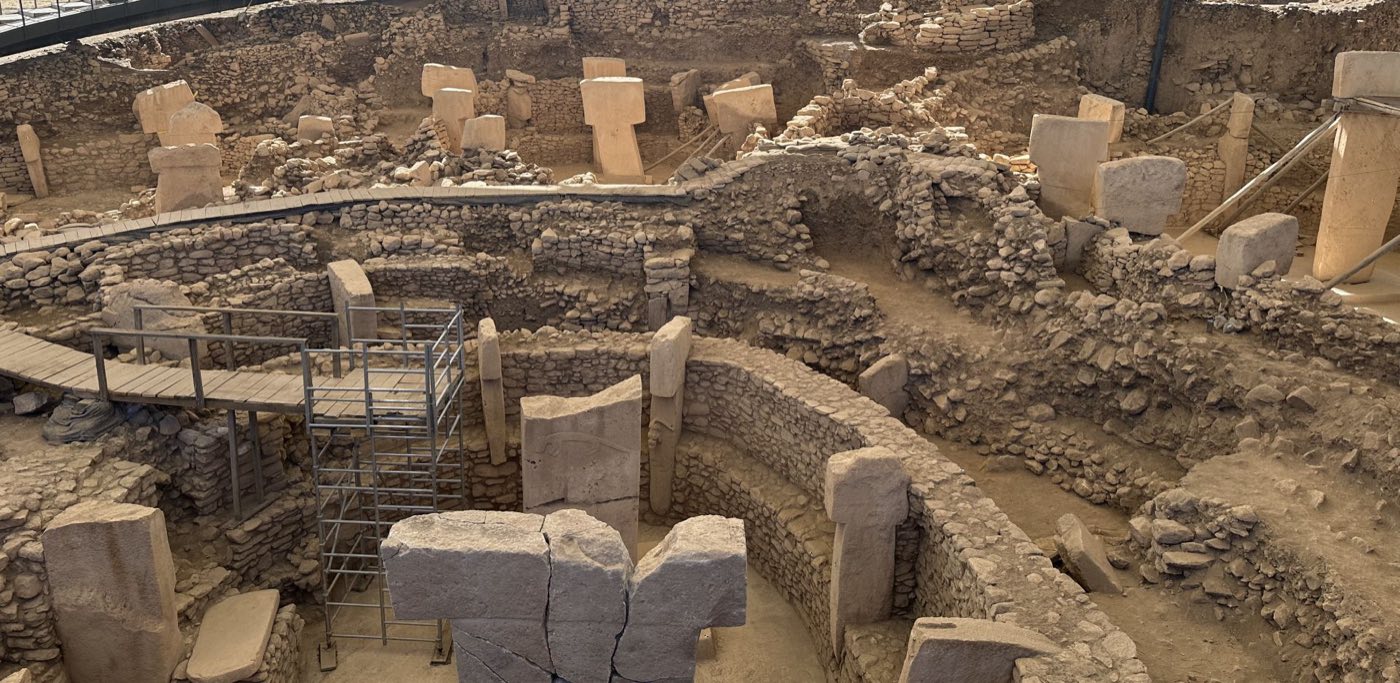
Twelve thousand years ago, hunters and gatherers in what is now the Sanliurfa province of south-eastern Türkiye built structures that archaeologists are still working to understand. These were not modest shelters. The buildings were monumental: massive T-shaped pillars, up to six metres high, carved to resemble stylised human figures and decorated with animals and abstract symbols in relief. Colossal statues accompanied them. The collective effort required to conceive and realise these structures points to a level of social organisation that predates anything previously associated with settled life. Göbeklitepe, a UNESCO World Heritage Site since 2018, is the most famous of these locations, but it is far from the only one.
The Tas Tepeler Project
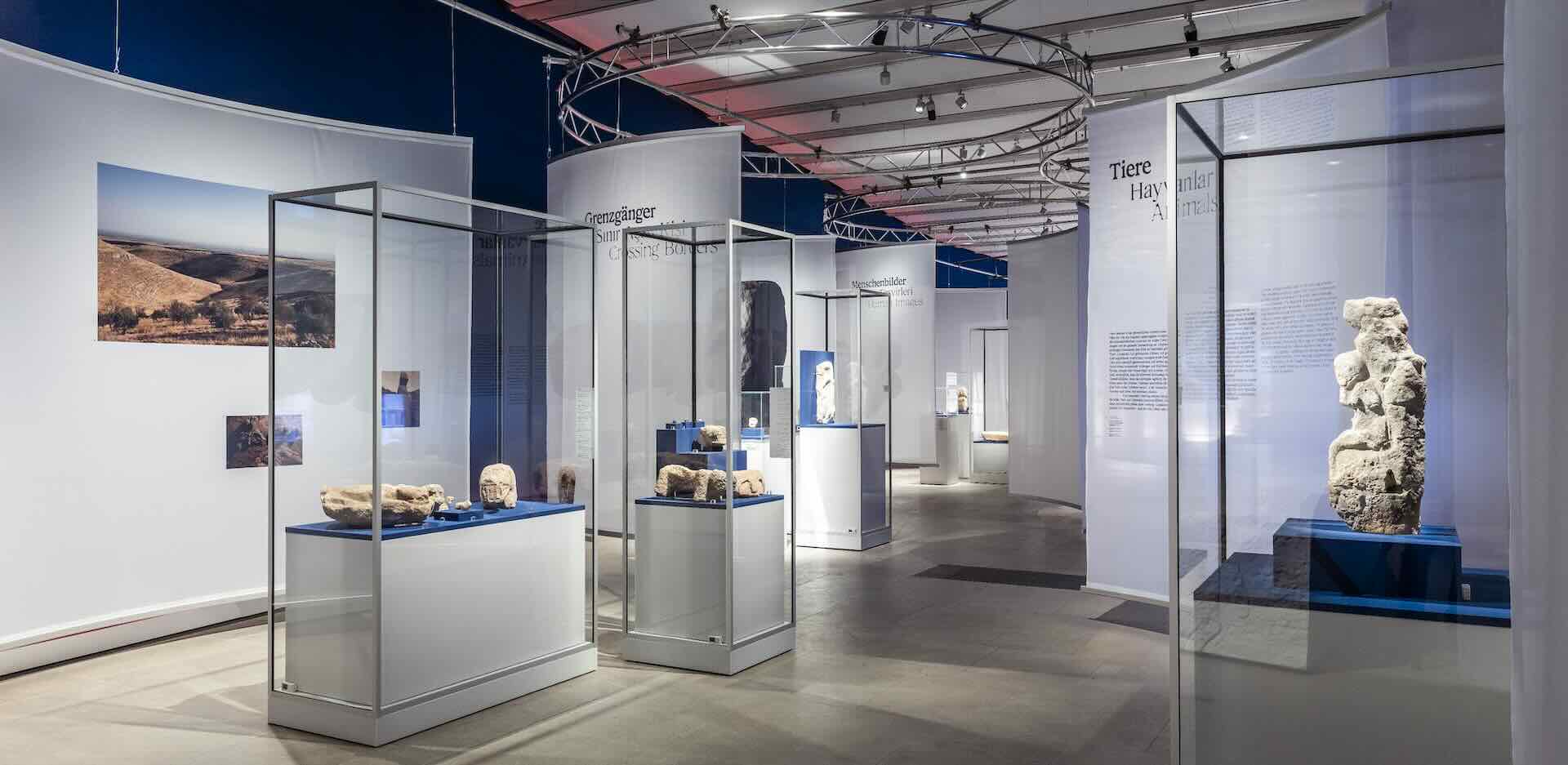
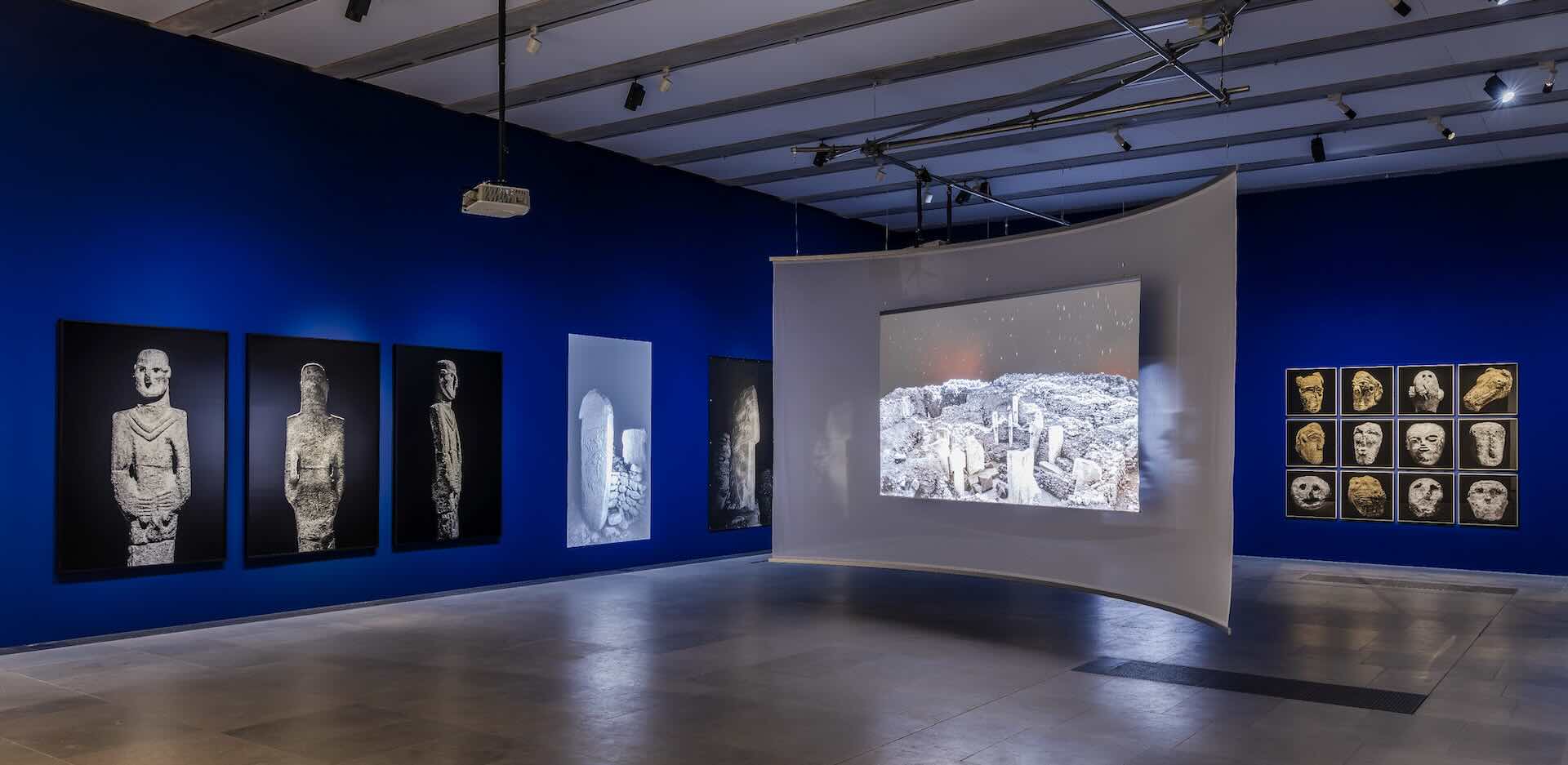
Since 2020, the international Tas Tepeler Project has been producing remarkable results at Karahantepe, Sayburc, Cakmaktepe and other nearby sites. The finds have added considerable detail to a picture of early human community that previously rested almost entirely on Göbeklitepe itself. What emerges is a world rich in symbols and images, one in which shared activity played a central role in social cohesion as communities transitioned from mobile hunter-gatherer life to settled existence. The exhibition at the James-Simon-Galerie brings together stone artefacts, everyday objects, and jewellery from these sites, many of which are being shown outside Türkiye for the first time. Archaeological finds and architectural reconstructions are complemented by contemporary photographs by Spanish photographer Isabel Munoz, who has worked closely with these communities and landscapes.
The Exhibition
The exhibition was developed by a team led by Barbara Helwing of the Vorderasiatisches Museum and Necmi Karul of Istanbul University, and is the result of a collaboration between the Vorderasiatisches Museum, the Sanliurfa Archaeological Museum, and the Tas Tepeler research project of Istanbul University, with the participation of the German Archaeological Institute. It is a special exhibition of the Vorderasiatisches Museum of the Staatliche Museen zu Berlin, produced in cooperation with the Ministry of Culture and Tourism of the Republic of Türkiye and the General Directorate of Cultural Heritage and Museums. A richly illustrated companion volume, published by Kulturverlag Kadmos, is available in German, Turkish, and English editions.
Plan Your Visit
The exhibition runs from 6 February to 19 July 2026 at the James-Simon-Galerie on Museum Island. Admission is 14 EUR, with a reduced rate of 7 EUR. A combined Museum Island ticket is available at 24 EUR (reduced: 12 EUR).
Care to share?
Copy story linkLooking for a place to stay in Berlin?
Our handpicked Berlin collection is a click away.
Explore Berlin staysMore Berlin stories
Baumkronenpfad Beelitzer Heilstätten
Just beyond Berlin's city limits, the former Beelitz sanatorium grounds possess a rare quality: the sense that time has halted and let everything else carry on around it.