The Rothko Exhibition
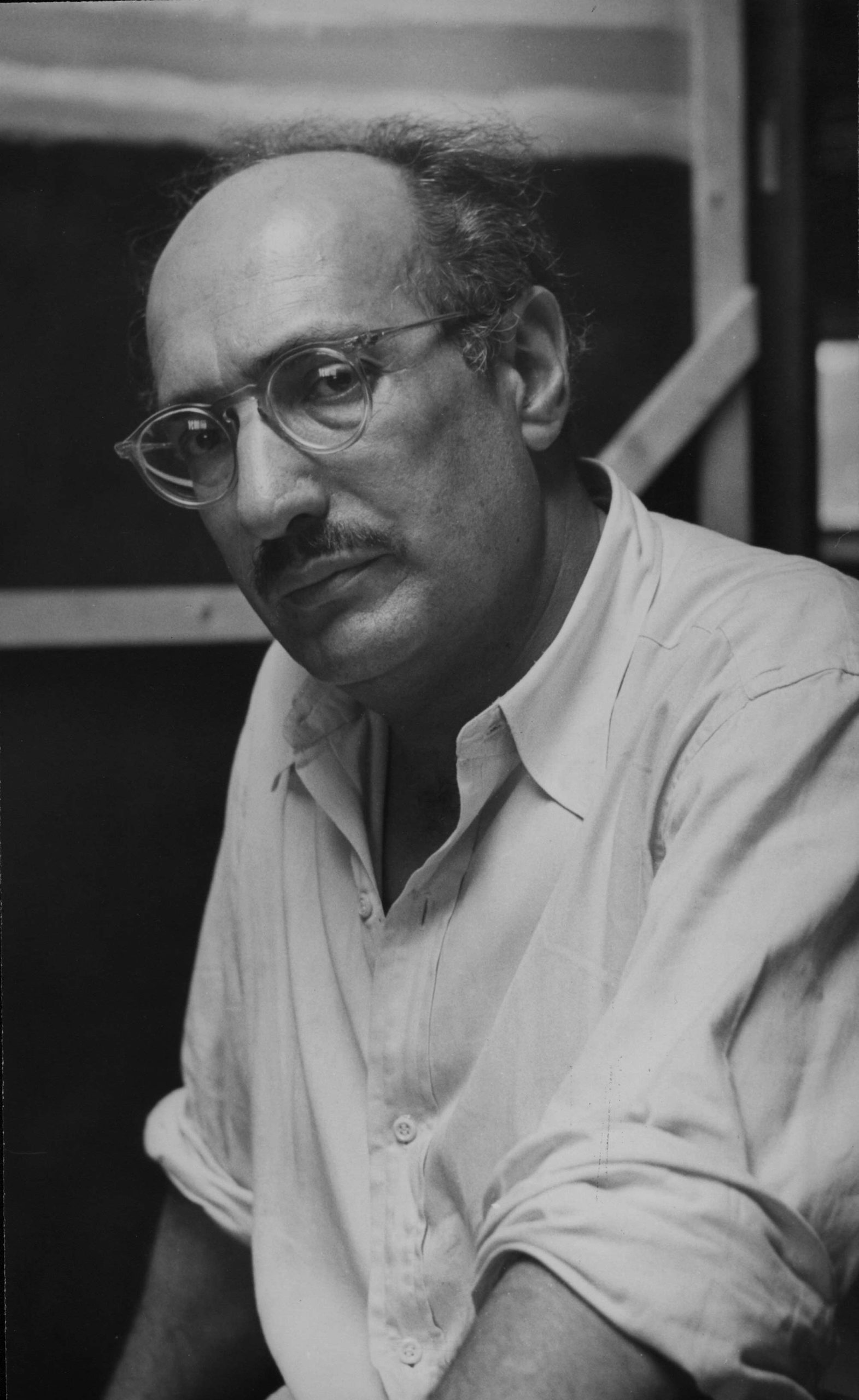
Few exhibitions carry quite this weight. Rothko at Palazzo Strozzi is the sort of event Florence sees once, perhaps twice in a generation — a comprehensive reckoning with one of the twentieth century's most emotionally demanding painters, spread across three of the city's most extraordinary spaces. Seventy works chart an entire arc: the figurative early experiments, the surrealist- inflected transitional period, and the monumental colour-field canvases that came to define his legacy. Outside Venice's Peggy Guggenheim Collection, you won't find anything quite like this in Italy.
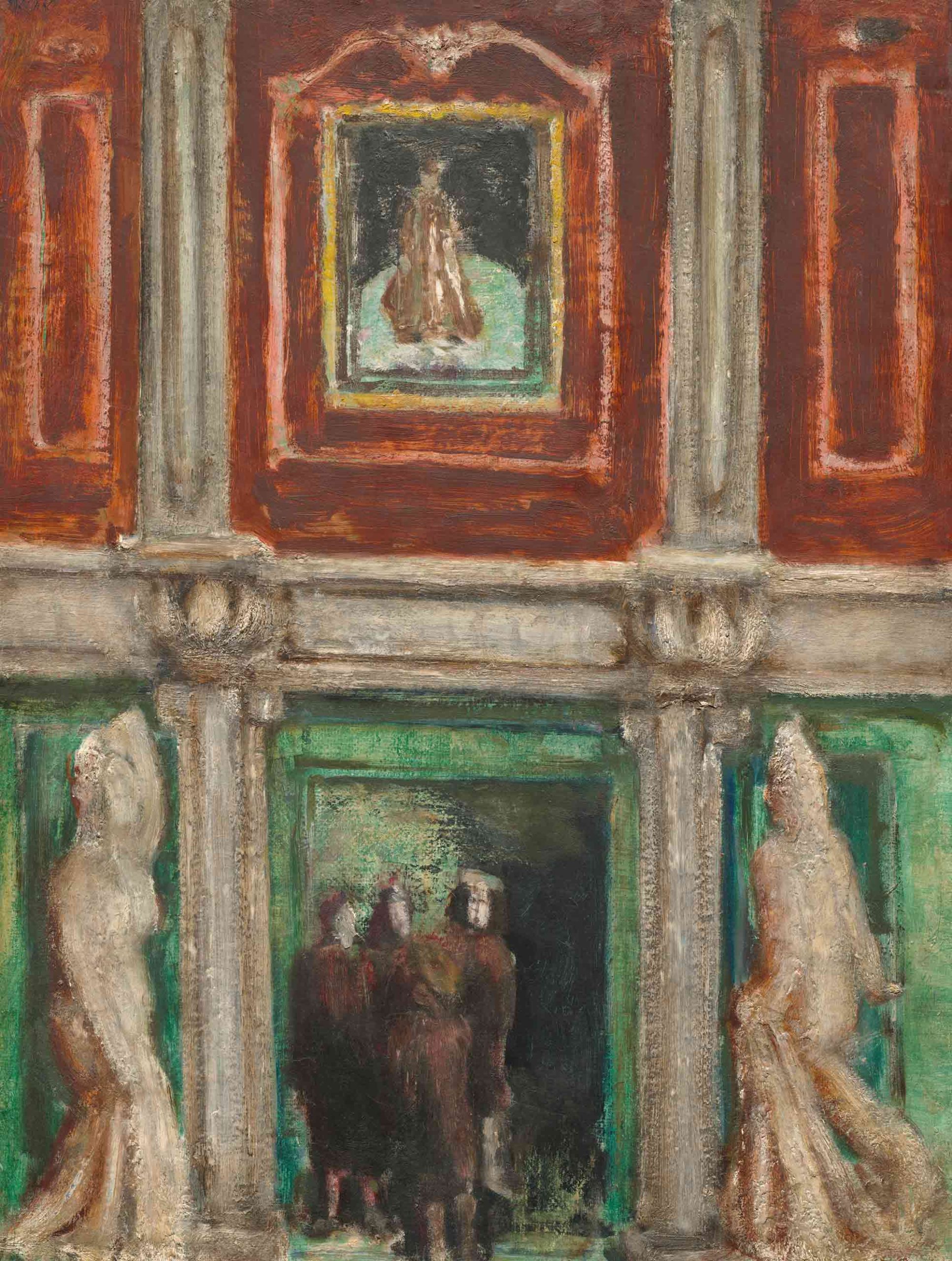
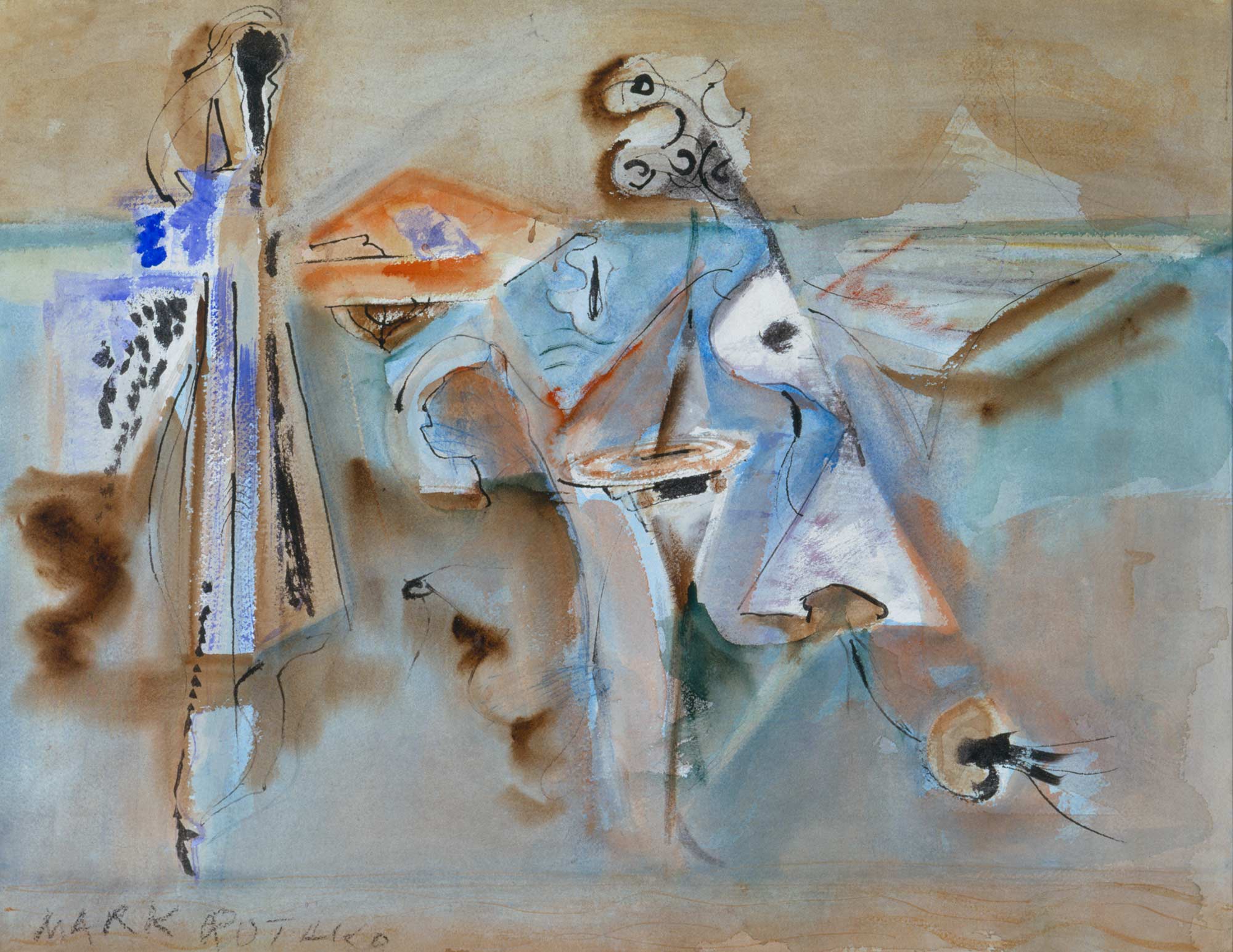
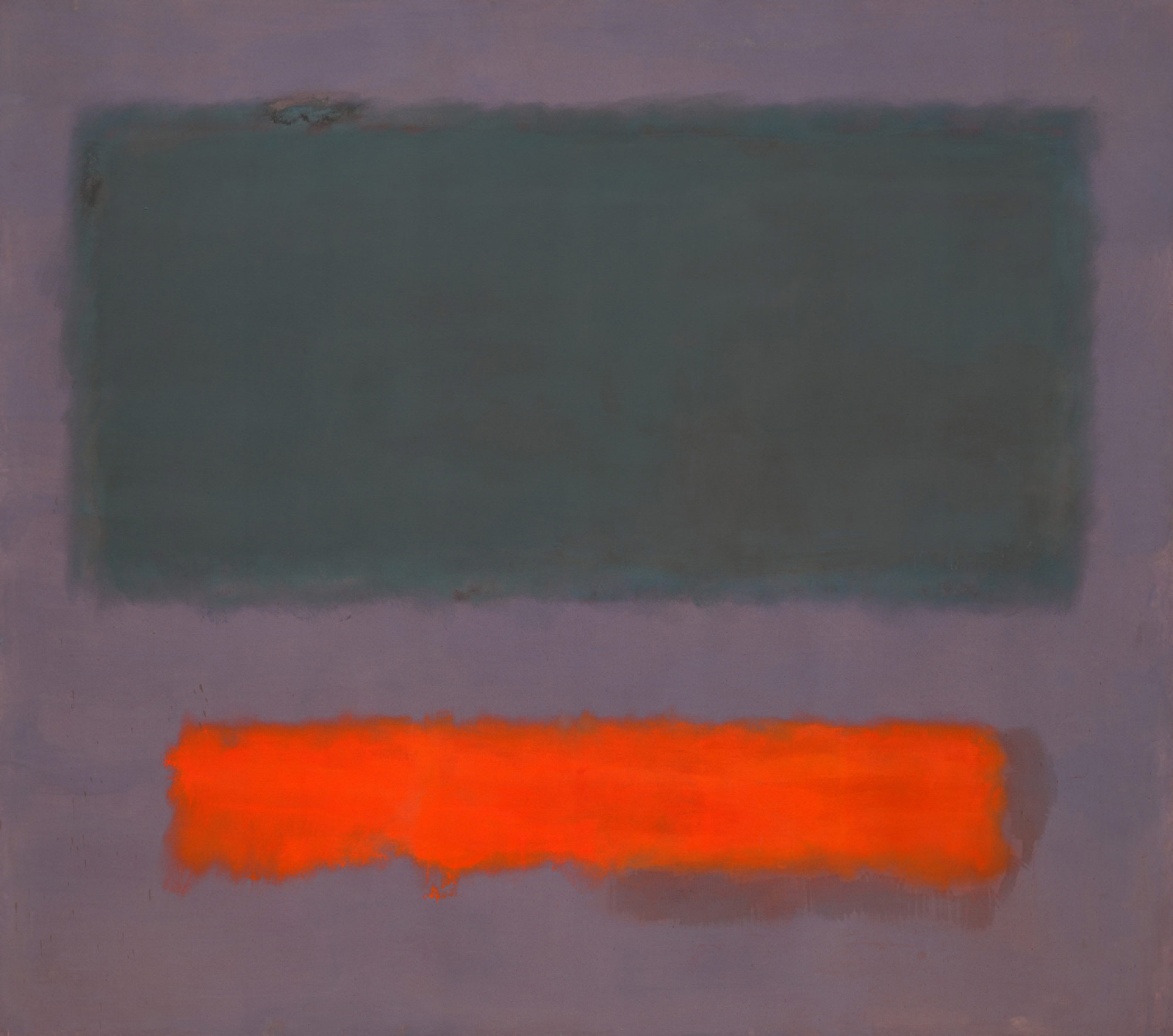
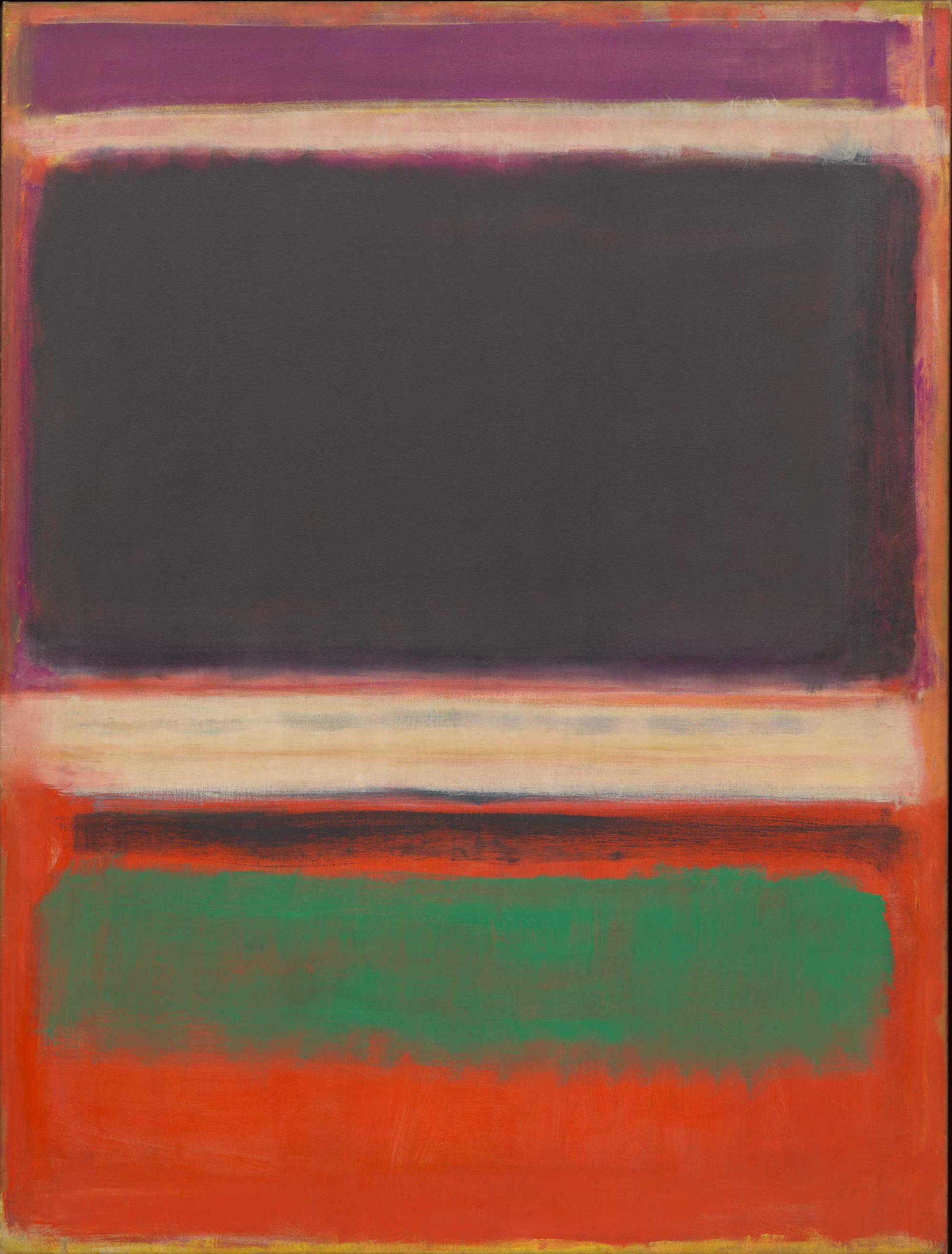
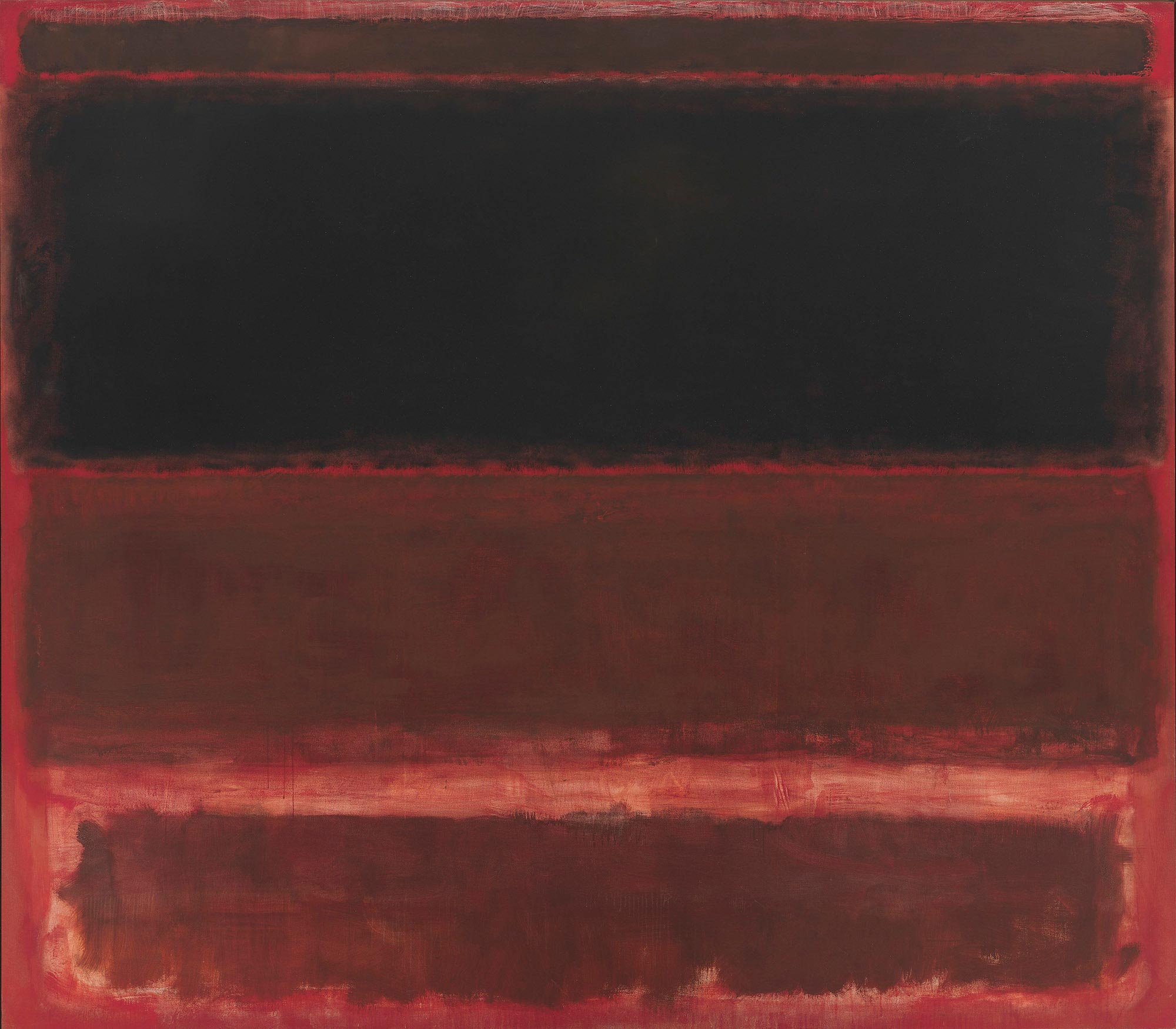
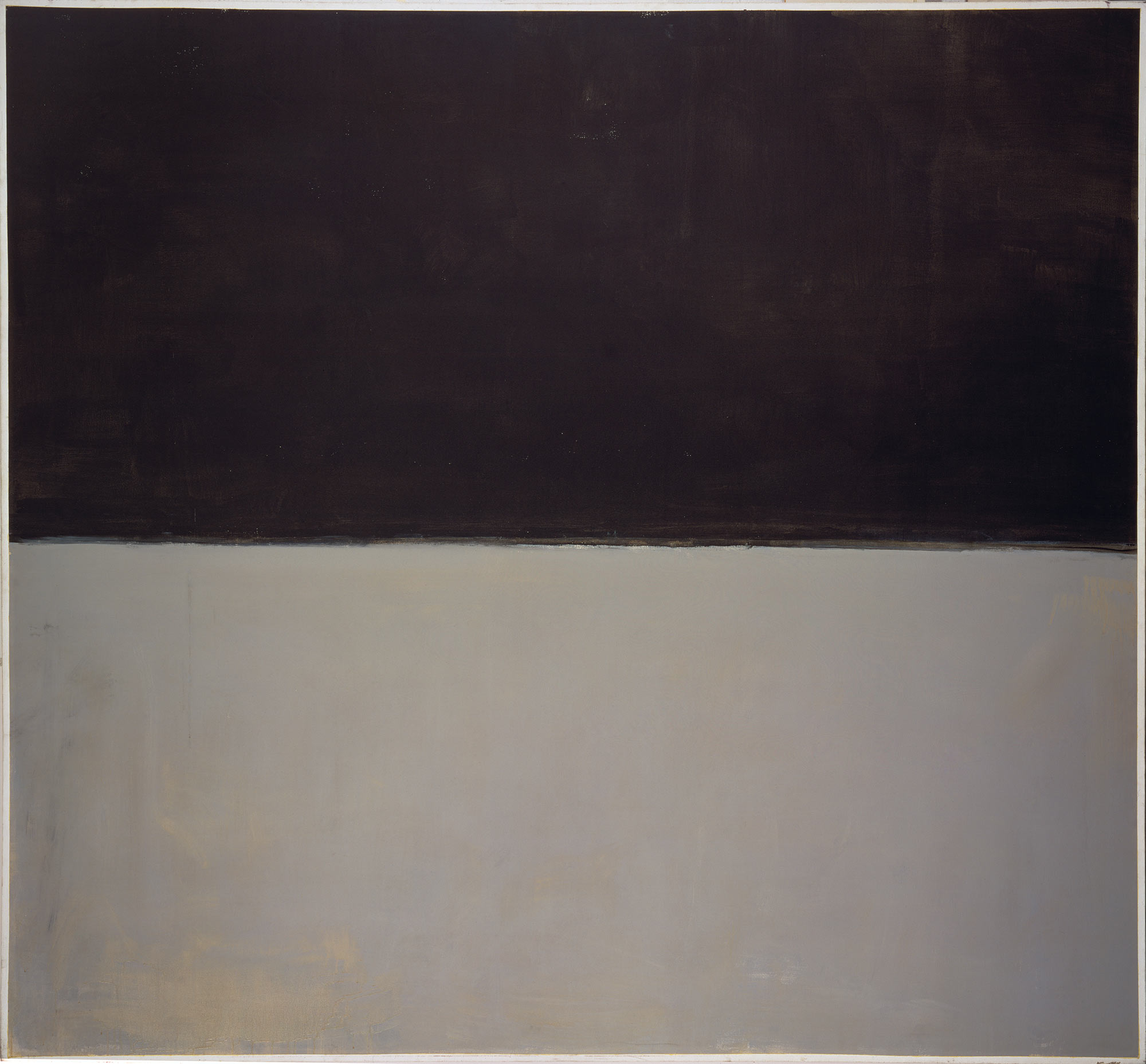
The main exhibition occupies the full breadth of Palazzo Strozzi, a fifteenth-century palace whose Renaissance proportions create an unlikely but fitting home for paintings that resist easy containment. All three periods of Rothko's career are represented among the seventy works on display — loans drawn from major collections in the United States and Europe that rarely share the same walls. The architecture itself feels central to the experience: the palazzo's measured stone rhythms set up a productive tension with the expressive freedom Rothko spent decades pursuing. There is something right about standing in a space built on classical geometry while looking at a painting designed to dissolve it.
Fra Angelico & Michelangelo
What makes this exhibition genuinely unusual is the decision to extend it beyond Palazzo Strozzi into two satellite venues, each chosen with care. At the Museum of San Marco, Rothko's works enter into conversation with the fifteenth-century frescoes of Beato Angelico. The pairing sounds unlikely on paper but proves more intuitive than expected — both artists, separated by five centuries, understood colour as something approaching a spiritual language. The second satellite is the Vestibule of the Laurentian Library, designed by Michelangelo and one of the strangest, most compressed architectural spaces in Florence. Here, the tension between classical measure and expressive pressure that Rothko translated into paint finds its architectural equivalent. It is worth visiting for the space alone.
Plan Your Visit
The exhibition runs from 14 March to 23 August 2026. Palazzo Strozzi is open Monday through Wednesday and Friday through Sunday from 10:00 to 20:00, with late opening until 23:00 on Thursdays. Admission is €21.
Care to share?
Copy story linkLooking for a place to stay in Florence?
Our handpicked Florence collection is a click away.
Explore Florence staysMore Florence stories
Florence on a Plate: 7 Restaurants for Every Appetite
Seven tables across Florence, from a Michelin three-star dining room to a hilltop garden and a terrace above the Arno. Our personal selection of the city's most worthwhile restaurants, chosen for consistent quality, local credibility, and a genuine commitment to the food of this region.